Built on Over a Decade of Research
at the Cambridge Memory Lab

Where Neuroscience Meets
Clinical Expertise

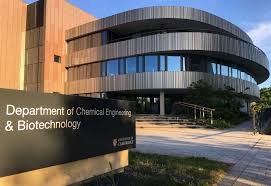
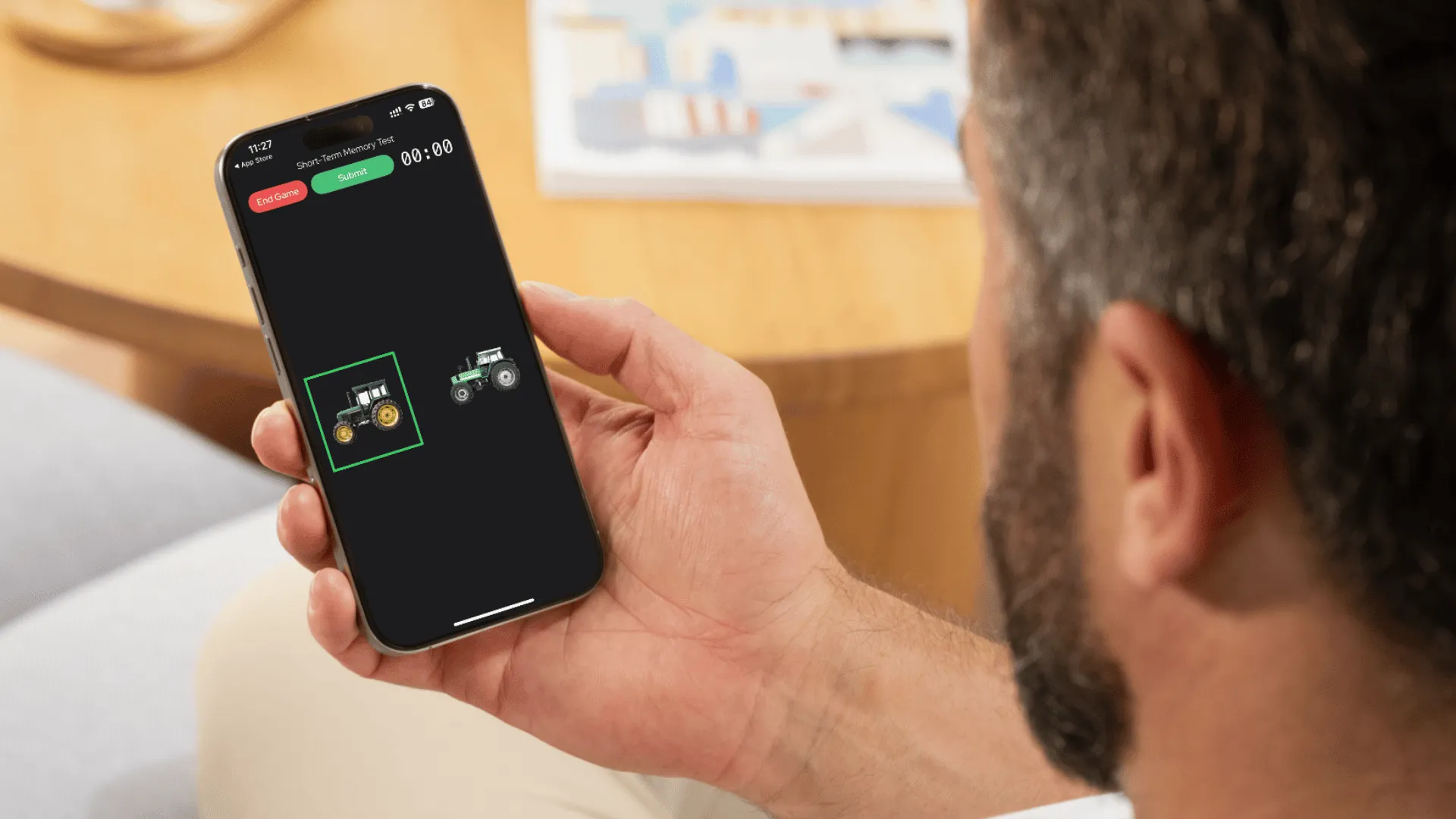
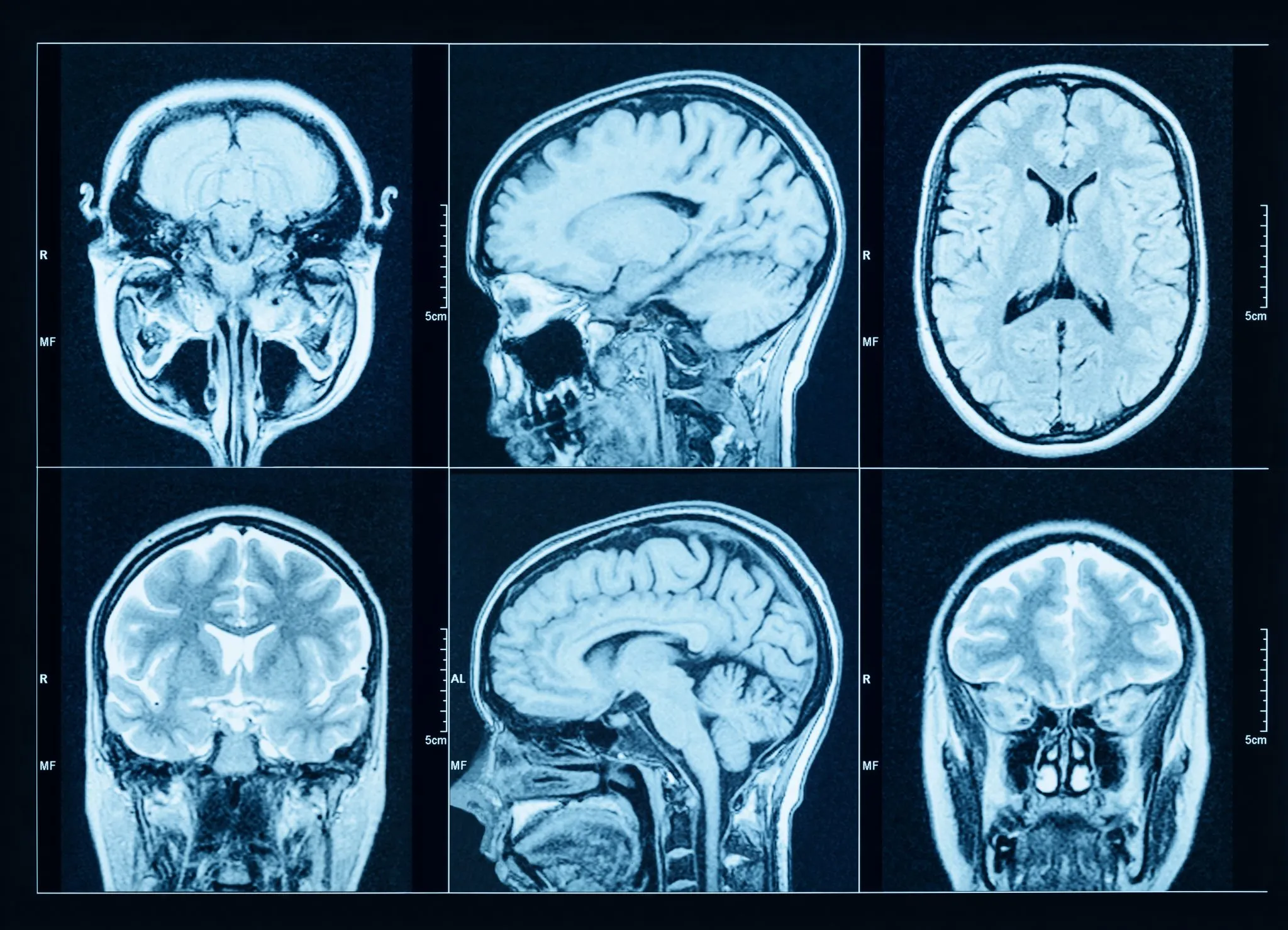
PREMAZ is built on the concept of "precision memory", a well researched paradigm borne out of Cambridge University.
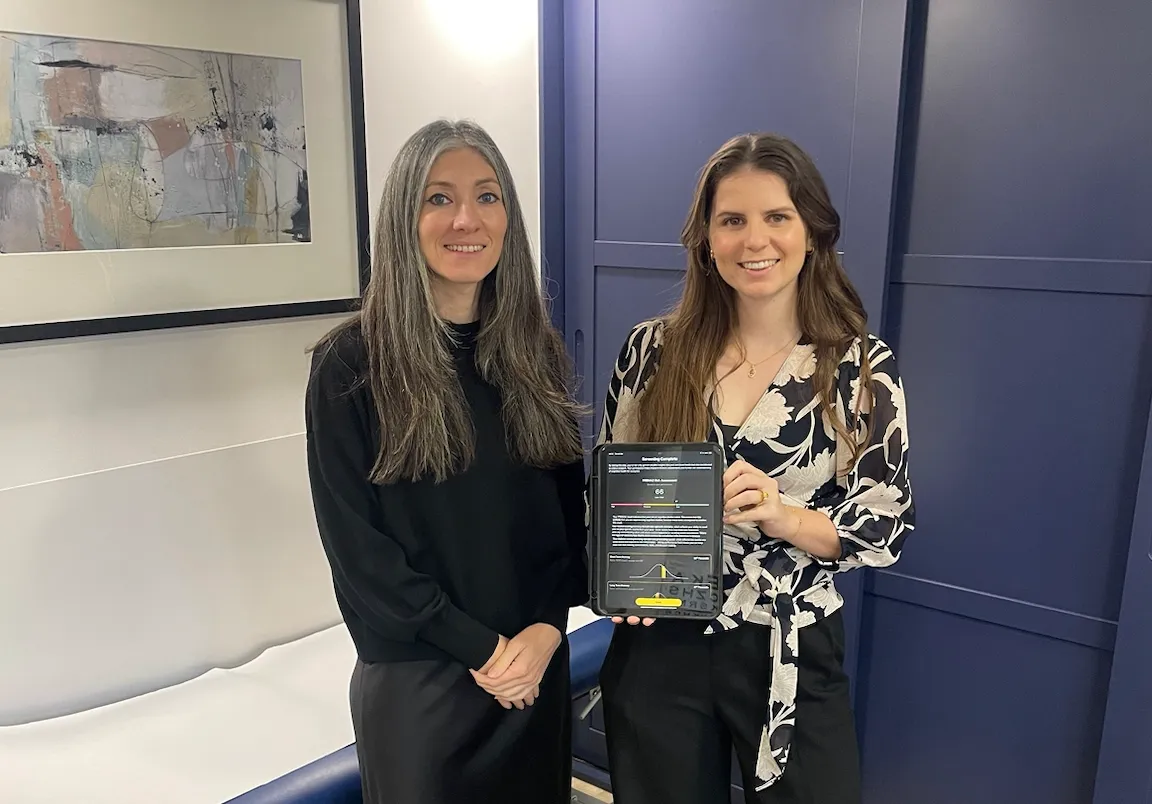
In 2023, medical doctor Julia Cooney and Cambridge neuroscientist Professor Jon Simons joined forces with a shared vision: to bring this powerful research tool into the hands of clinicians. Combining Julia’s medical insight with Jon’s pioneering neuroscience, they transformed a decade of lab-based innovation into a clinically ready platform, bridging the gap between cutting-edge cognitive science and real-world clinical care.

Proven in Research. Trusted in Clinical Practice.

6+

Published Clinical Studies

Independent peer-reviewed publications confirming test sensitivity, reproducibility, and cross-population consistency.
1000+

Tested patients

Data collected from healthy controls, MCI, and clinical groups across North America and Europe.
10+

Years of Research

Beginning as the precision memory paradigm developed by Cambridge University, and later morphing into the PREMAZ test.

Over the past decade, the PREMAZ methodology has been extensively tested in academic research settings, forming a strong foundation of peer-reviewed evidence. Building on this groundwork, PREMAZ is now being introduced into clinical environments to evaluate its real-world performance and utility as a screening tool. While further research is ongoing, early findings suggest that PREMAZ can provide meaningful insights into cognitive health and support earlier detection of impairment.


Oct 2019
Aug 2020
Sept 2020
Oct 2020
Jan 2021

Earliest studies on memory precision

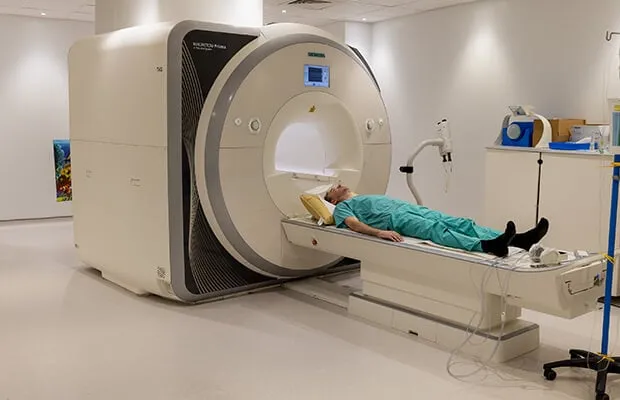
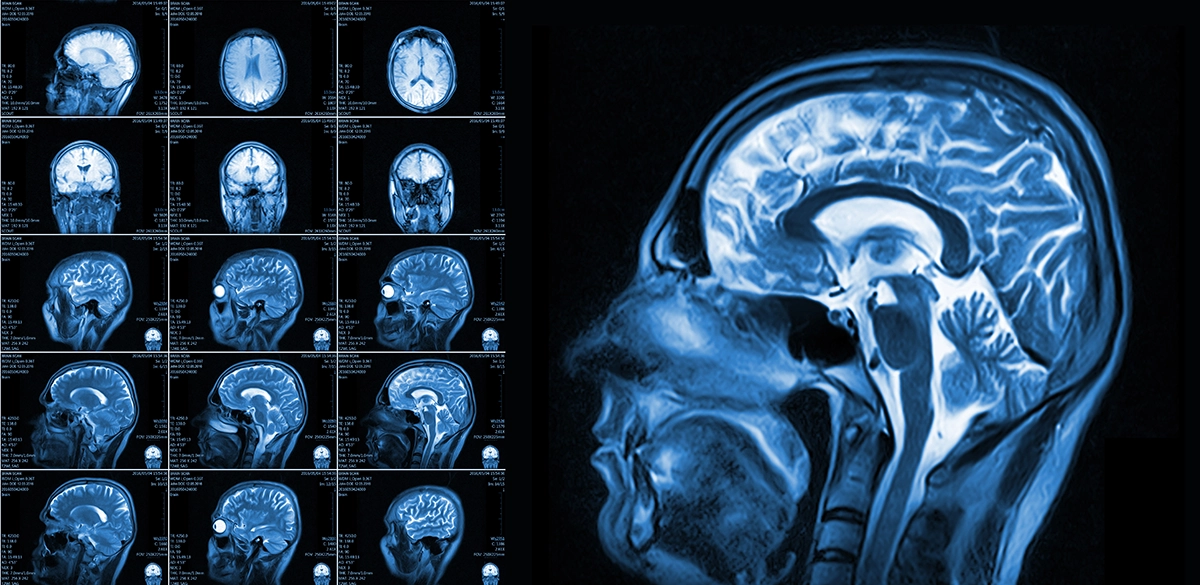
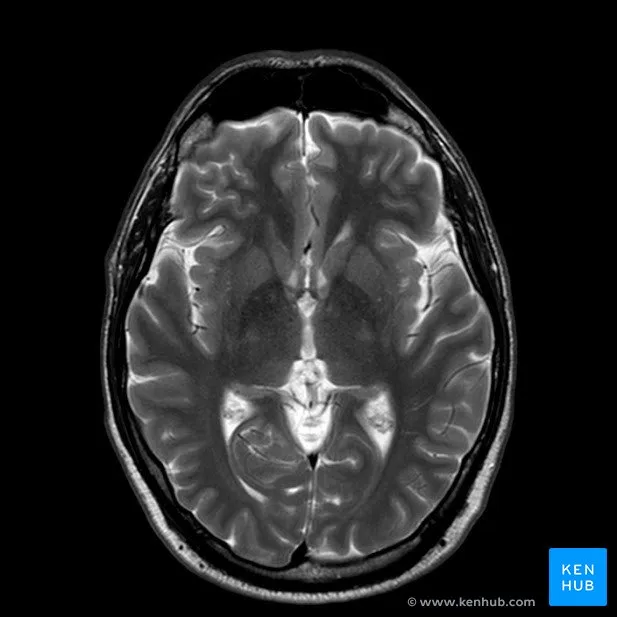
Researchers at the University of Cambridge demonstrated that the quality of a memory (its precision) is functionally distinct from the process of recalling it. Using continuous memory measures and fMRI, they showed that recall success depends on the hippocampus, whereas memory precision is supported by the angular gyrus, establishing that memory precision is a distinct neural function from recall success.

Growing Evidence that Memory Precision Could Detect Dementia Early

Research from the Cambridge Memory Lab showed that memory precision could detect the earliest biological signs of dementia, before standard tests flagged any issues.

Zest Joins with Cambridge to build PREMAZ

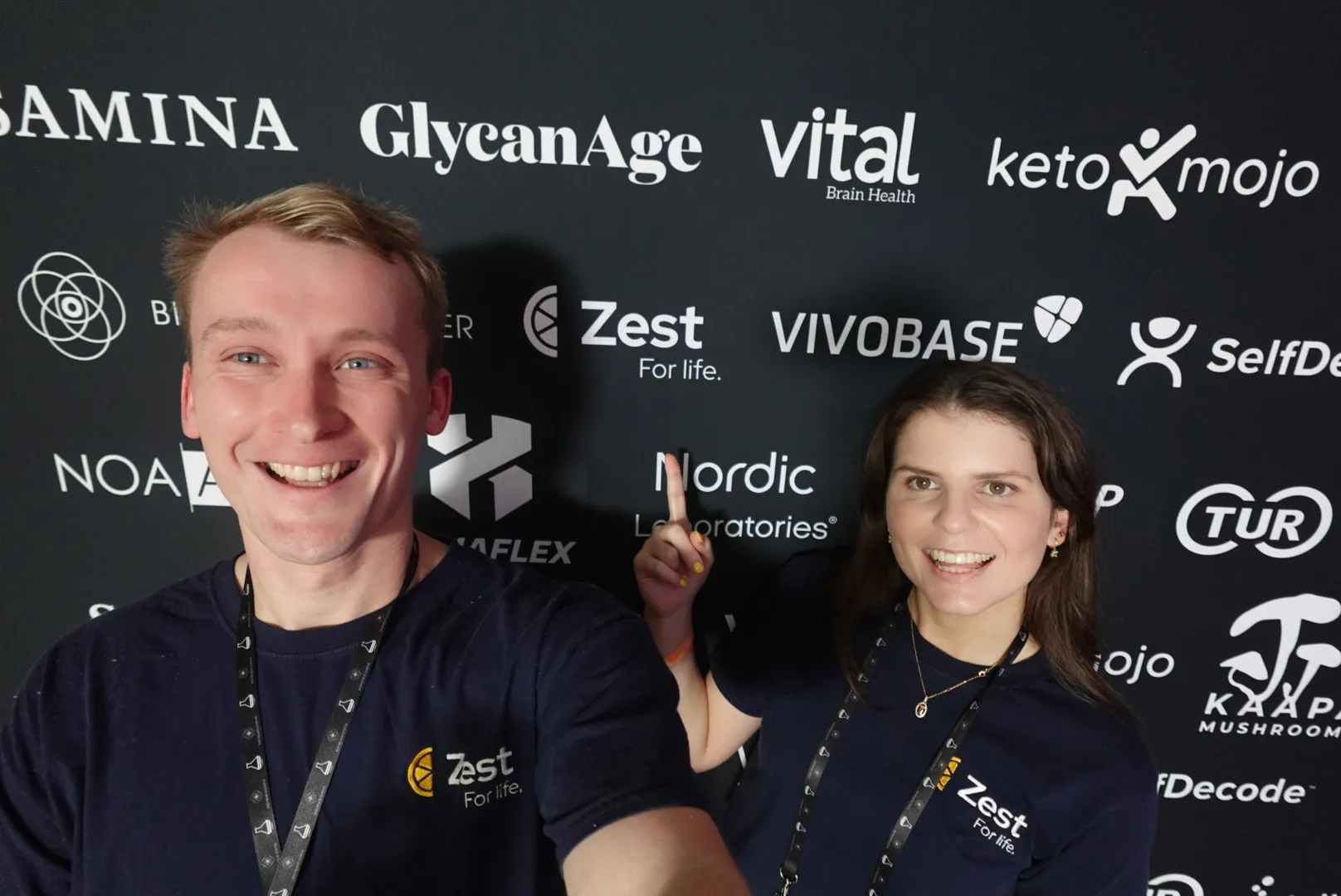
The Memory Lab at the University of Cambridge, led by Professor Jon Simons, partnered with healthtech startup Zest to translate their world-class memory precision research into a digital tool ready for real-world use. Together, they built PREMAZ: a scalable, app-based version of Cambridge’s precision memory test, designed for seamless integration into clinical and research pathways.

PREMAZ Launches in Clinics

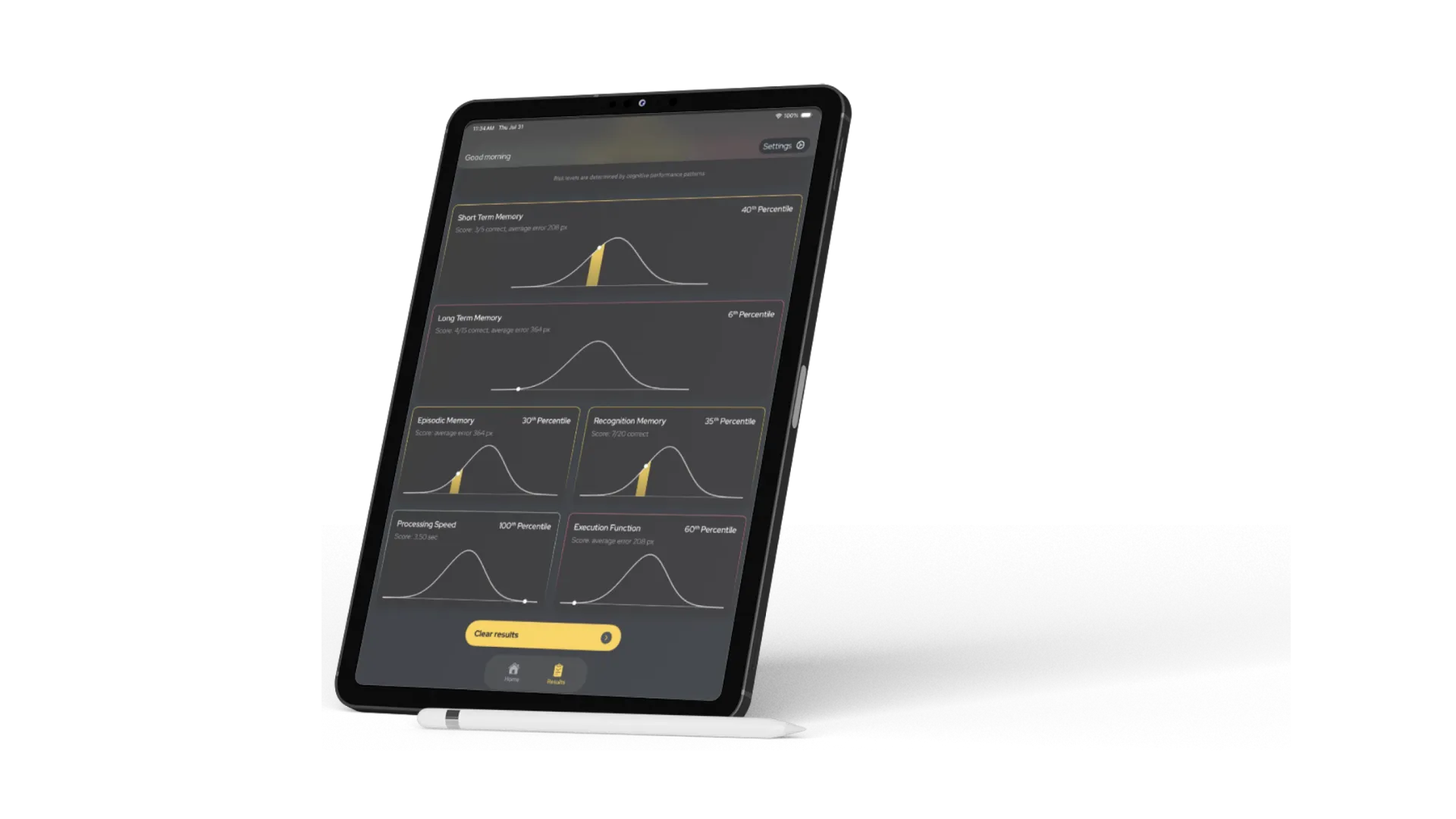
After a year in product development, Zest eventually launched PREMAZ (the Precision Memory Assessment by Zest) a scalable, accessible version of the original precision memory test, specifically designed for use in clinics. PREMAZ translates cutting-edge cognitive neuroscience into an accessible digital tool that quantifies not just whether someone can recall information, but how precisely they remember it.

Supporting Clinical Trials

PREMAZ is partnering with biotech, CRO, and pharmaceutical companies to support both clinical trial recruitment and the use of memory precision as a sensitive cognitive endpoint in studies. PREMAZ enables earlier detection of cognitive changes, helping sponsors identify the right participants and capture subtle treatment effects with greater precision.

2016
2020
2023
2024
2025

Interested in using PREMAZ for research or clinical use?

Reach out to our partnerships team to discuss validation data, regulatory alignment, or integration into ongoing studies.